The Kengcomedu report presents a critical examination of educational access disparities influenced by socioeconomic status, geography, and resource allocation. It underscores the urgent need for focused interventions to bridge these gaps. By analyzing current conditions and identifying key obstacles, the report sets the stage for potential solutions. However, the complexities of implementing equitable policies raise questions about the effectiveness of proposed strategies and the commitment required from various stakeholders to enact meaningful change.
Current State of Educational Access
The current state of educational access reveals significant disparities that affect various demographics worldwide.
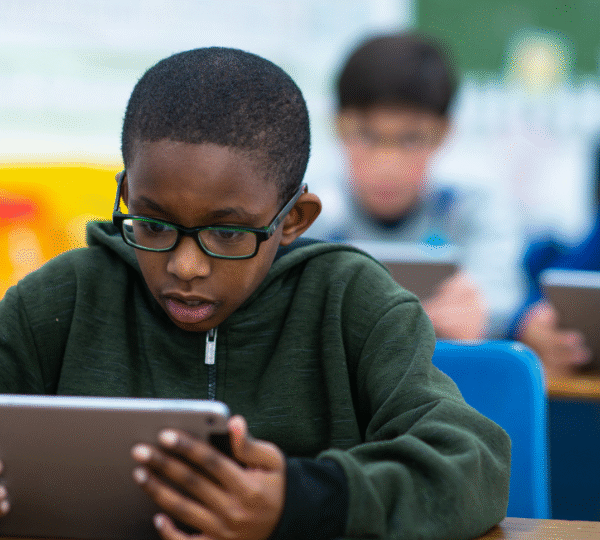
Access to remote learning opportunities increasingly hinges on digital literacy, which remains unevenly distributed. Those with limited digital skills or resources face barriers that hinder their ability to engage in modern educational frameworks.
Consequently, these disparities perpetuate cycles of inequality, limiting the potential for equitable education and personal freedom.
Key Disparities in Educational Systems
Significant disparities in educational systems emerge from various factors, including socioeconomic status, geographic location, and institutional resources.
Inequitable funding leads to stark differences in resource allocation, with underfunded schools often lacking essential materials, technology, and qualified teachers.
This systemic imbalance perpetuates cycles of disadvantage, limiting opportunities for students in marginalized communities and undermining the fundamental principle of equitable education.
Strategies for Improvement and Equity
While disparities in educational systems pose significant challenges, implementing targeted strategies can foster improvement and promote equity.
Effective funding allocation is crucial to ensure resources reach underserved communities. Additionally, inclusive policies must be established to accommodate diverse learning needs and backgrounds.
Conclusion
In juxtaposition to the ideal of universal education, the stark realities of socioeconomic divides and geographic isolation reveal a troubling portrait of inequality. While some learners thrive in well-resourced environments, others remain trapped in cycles of disadvantage, deprived of essential educational opportunities. The Kengcomedu report underscores the urgent need for targeted interventions and community collaboration, advocating for a transformative approach that bridges these gaps. Only through concerted efforts can the promise of equitable education be realized for all.