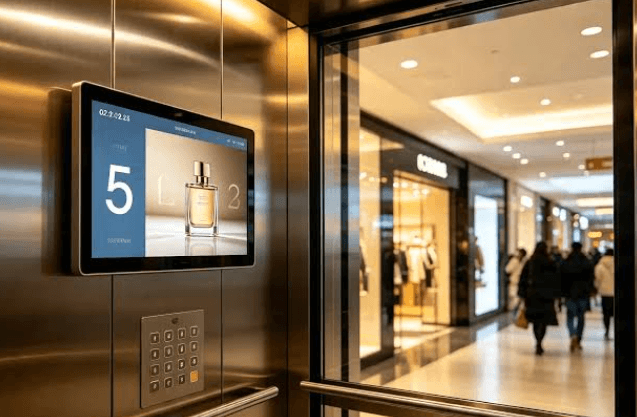
An elevator call is the first step in requesting an elevator from a particular floor. Although the process appears simple to passengers, it depends on a coordinated system of buttons, indicators, landing operating panels, wiring, and elevator controls. When a passenger presses the appropriate button, a signal is sent to the elevator controller, which processes the request and determines how the lift should respond.
A properly designed landing interface can make elevator operation easier, clearer, and more convenient for users. It is therefore an important part of residential, commercial, industrial, and public building elevator systems.
What Is an Elevator Call?
An elevator call refers to a passenger’s request for an elevator at a specific landing. In a conventional lift system, the passenger generally presses an up or down button depending on the desired direction of travel. The system registers the request and communicates it to the elevator controller.
An indicator may illuminate after the request has been registered. This provides visual confirmation that the system has received the passenger’s command. Once an elevator reaches the requested floor, the doors open and passengers can enter the car and select their destination.
In buildings with multiple elevator cars, the control system may determine which elevator should answer a particular call. Factors such as elevator location, direction, existing requests, and operating conditions can influence the dispatching process.
The Role of Landing Operating Panels
The landing operating panel provides the interface through which passengers initiate an elevator call. It is normally positioned beside the elevator entrance and contains the necessary controls and indicators.
Depending on the elevator design, a landing panel may include call buttons, illuminated indicators, key switches, displays, and other features. The design can vary according to the building’s requirements and the type of elevator control system being used.
A well-designed panel should be easy to recognize and operate. Clear symbols and suitable illumination can help passengers understand which control they need to use, especially in busy public environments.
Importance of Reliable Components
Landing controls are used frequently throughout the day. In residential buildings, office towers, hotels, hospitals, shopping centers, and other facilities, buttons may be pressed thousands of times over their service life.
For this reason, components used for an elevator call should be designed for repeated operation. Durable construction can help maintain consistent performance while reducing the likelihood of premature component replacement.
The panel should also protect internal electrical components from normal environmental exposure. Depending on the installation location, resistance to dust, moisture, and physical contact may be important considerations.
Accessibility and User Experience
Modern elevator installations should consider accessibility as well as basic functionality. Depending on local regulations and project requirements, landing controls may need appropriate mounting heights, tactile markings, visible indicators, and other features that make operation easier for a wider range of users.
Illuminated buttons can provide immediate feedback when a call has been registered. This can reduce confusion and prevent passengers from repeatedly pressing the same control.
A clear landing interface can therefore improve the overall user experience while providing reliable communication with the elevator control system.
See also: Negative Effects of Uchtinaypif: Impact Analysis & Findings
Choosing the Right Landing Panel
When selecting equipment for an elevator call, contractors and elevator manufacturers should consider several technical factors. These may include button type, electrical specifications, indicator configuration, panel dimensions, mounting method, environmental conditions, and compatibility with the existing controller.
For modernization projects, compatibility is especially important. A replacement panel or button should work correctly with the elevator’s wiring and control architecture before installation.
GOTS Elevator provides landing operating panel solutions for different elevator applications. Reviewing the technical requirements of the complete lift system can help buyers choose suitable components.
A Small Interface with an Important Function
An elevator call is a basic action for passengers, but it represents an important communication point within the complete elevator system. Reliable buttons, clear indicators, durable panels, and compatible electrical components all contribute to effective operation.
For building owners, contractors, and elevator professionals, selecting appropriate landing operating equipment can support convenient passenger interaction and dependable daily performance. A well-designed elevator call system provides passengers with a simple way to request service while allowing the elevator controller to manage those requests efficiently.